
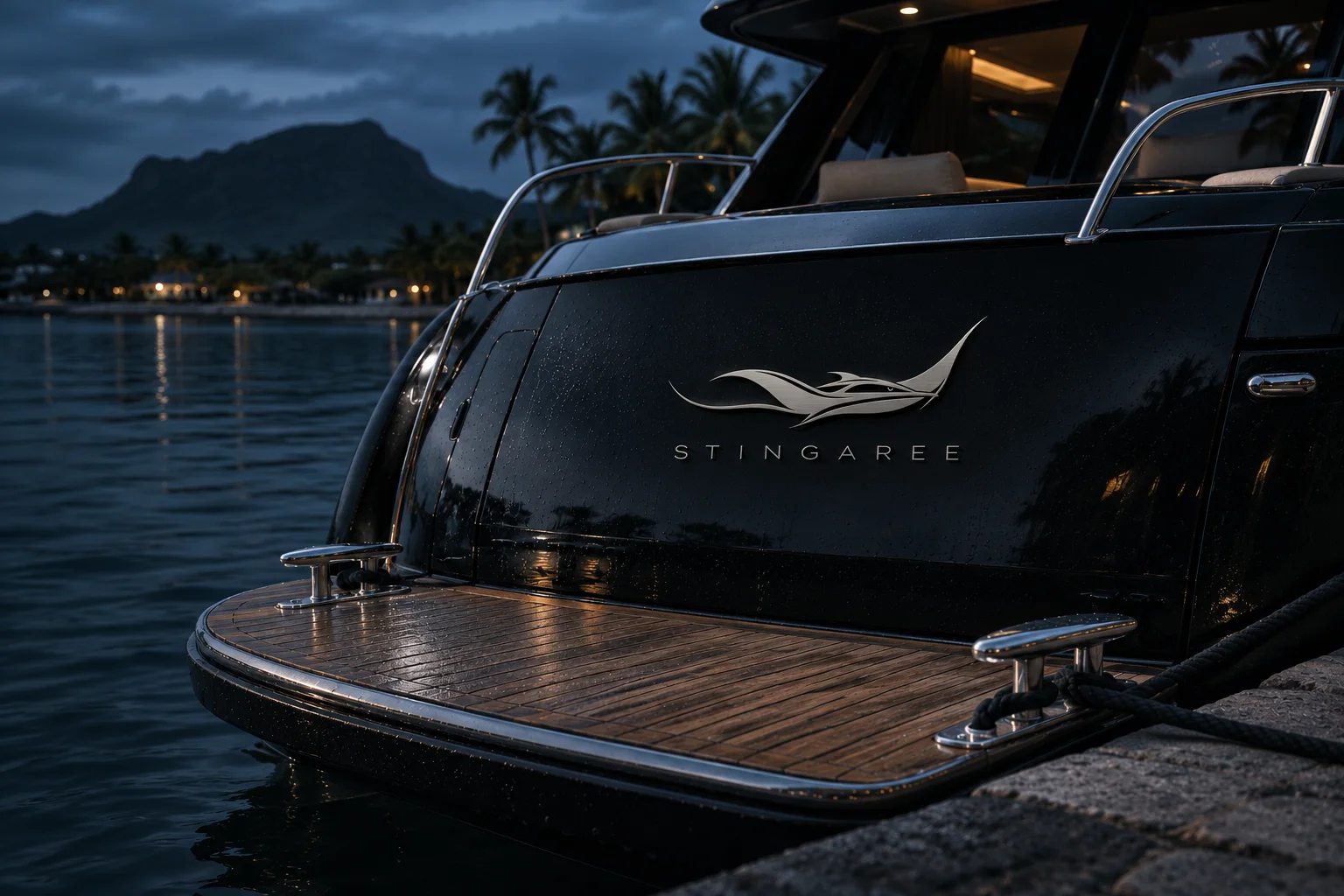
A boat can look right and still be wrong for the way you intend to use it. Before comparing listings, decide what a normal day aboard should involve: where you expect to go, how many people will join you, the time you have for upkeep and the budget available after purchase.
Write a practical brief.
Fishing, coastal cruising and private entertaining can call for different layouts and equipment. Consider seating, shade, storage, toilet facilities, boarding access, range and ease of handling. If the boat will have a commercial purpose, raise that intended use at the beginning so the relevant operating requirements can be checked by the appropriate parties.
Look beyond the asking price.
Ask about berthing or storage, insurance, servicing, fuel, engine parts, haul-out and any crew or management requirements. Request information for the particular boat. A seller’s estimate of annual running costs is a starting point for enquiry, not a fixed budget.
Request records early.
Identify the seller and their authority to sell, and ask for the ownership and registration records relevant to the vessel. Review the service history, engine information and records of significant repairs or changes. Gaps in the file should become questions before they become assumptions.
Inspect with the right expertise.
A viewing helps you assess the layout and visible condition. It does not replace an independent survey or mechanical inspection. Discuss the survey’s scope, exclusions, access requirements and any need to inspect the boat out of the water with the surveyor. Choose specialists who are independent of the sale where appropriate.
Clarify a sea trial.
Agree who operates the boat, the purpose of the trial, the conditions required and who meets the costs. A trial should be considered with the inspection findings and records. It does not make every concealed issue visible.
Put the transaction in writing.
Before paying a deposit, establish what the agreement says about inspections, the sea trial, acceptance, outstanding work, withdrawal and refund conditions. Confirm what equipment is included, who holds any funds, and the steps for handover and completion. Obtain the professional advice needed for ownership, contractual, tax or registration questions in your circumstances.
Keep room for the first season.
Even a well-kept boat may need servicing, equipment or changes after handover. Keep a sensible contingency and build a record of what has been checked. A considered purchase includes a plan for looking after the vessel.