A well-presented boat is easier to understand. A buyer should be able to see what is being offered, what condition it is in and which details still need to be verified.
Before arranging the first viewing, gather the information that will support those conversations. It makes the presentation more coherent and helps avoid a succession of questions that could have been answered at the outset.
Create one accurate vessel file.
Bring together the make, model, build year, dimensions, engine details, identifiers and present location. Check those details against the documents you hold. If a specification is uncertain, identify it as something to confirm instead of repeating an unverified number.
Prepare the ownership and registration information needed to establish who may discuss and authorise a sale. Where a representative is involved, clarify their authority before marketing begins. Keep identity and other private documents within the agreed transaction process.
Be clear about what is included.
A photograph can show equipment that will not remain aboard. Prepare an inventory that distinguishes the items included in the proposed sale from personal possessions and excluded equipment.
Discuss tenders, electronics, safety equipment, furnishings and other relevant items individually. Record the agreed position so the eventual offer can be assessed against the same understanding.
Use photographs to explain the boat.
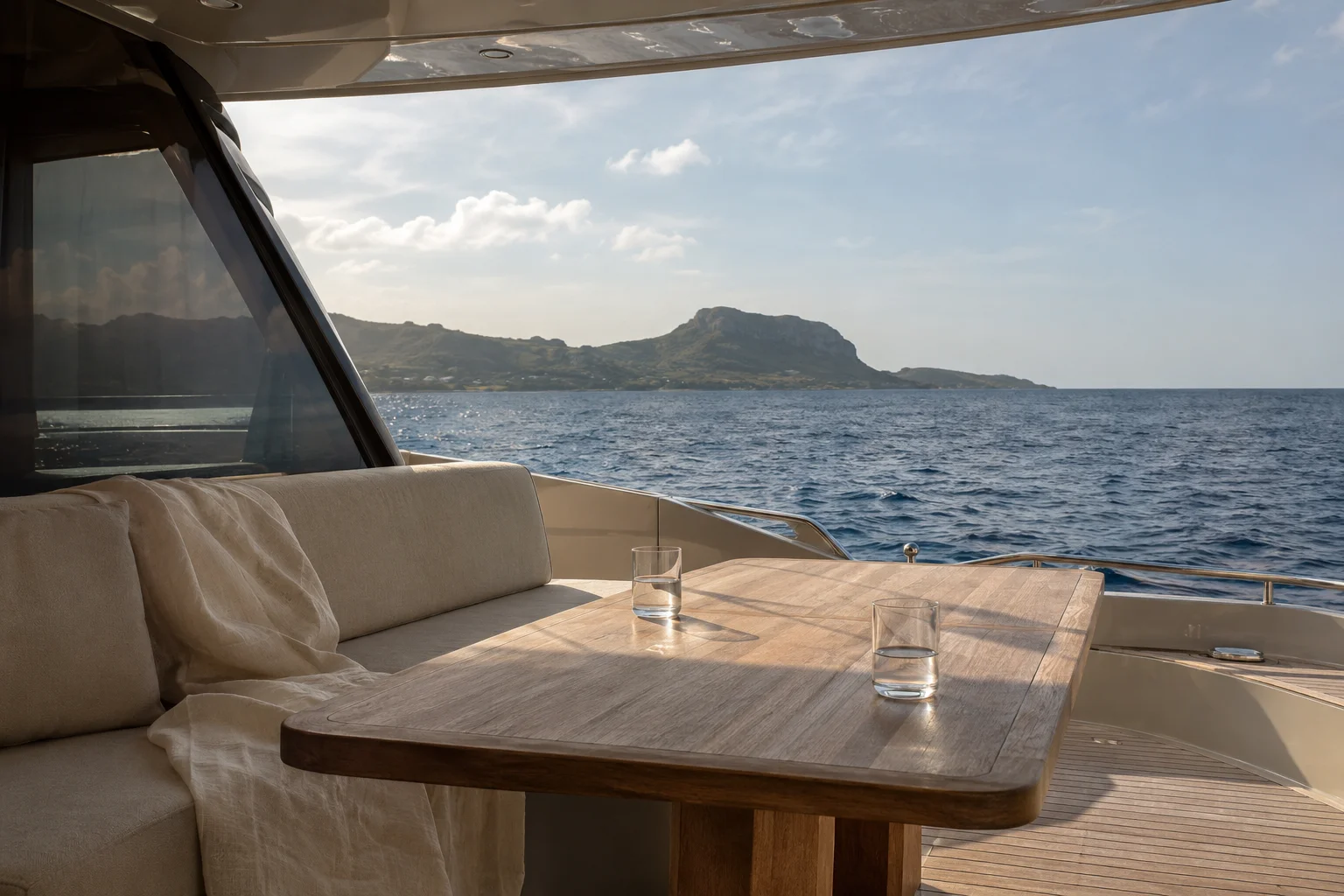
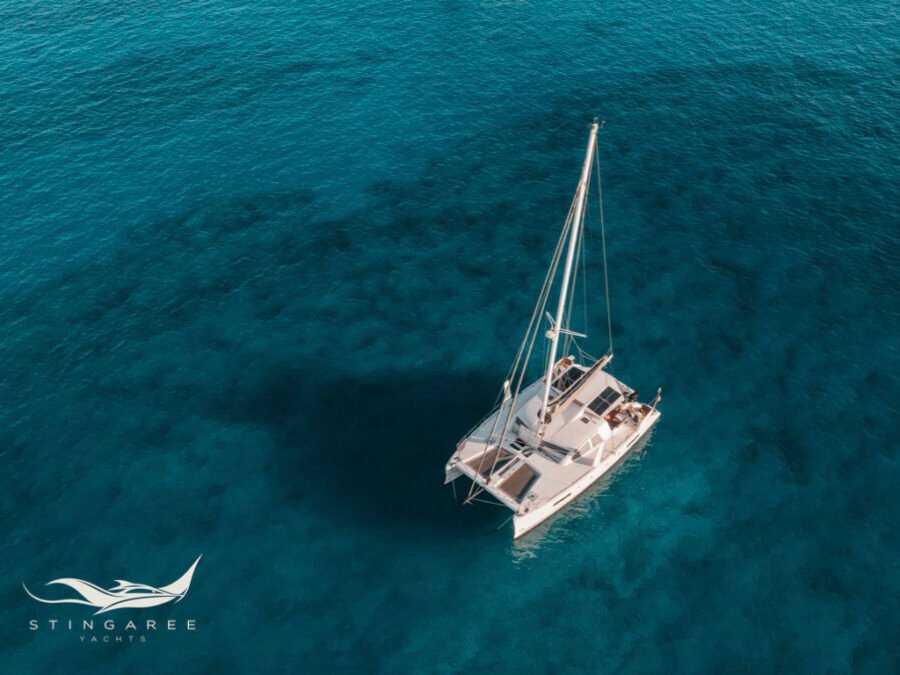
Clean, current photographs should help someone read the vessel. Show its overall profile, seating, helm, boarding access, interior spaces and other important areas. Use sensible light and angles without concealing condition.
A quieter composition usually communicates more than heavy editing. If an image is older, identify that fact. If work is being completed, distinguish the current condition from an intended result.
Organise maintenance and condition information.
Service records, invoices and a clear explanation of recent work can make a viewing more useful. List known outstanding work as well. A buyer may still commission an independent inspection, but good preparation gives that process a clearer starting point.
Avoid promising a condition or performance that has not been established. Accurate information is more valuable to a serious buyer than an attractive description that has to be corrected later.
Agree the asking position and access.
Discuss the proposed asking price, currency, timing and the evidence supporting that position. Establish who will approve offers and how viewings will be arranged. Access, preparation and the scope of representation should be clear before the vessel is promoted.
Marketing and an ownership transfer are separate stages. The Mauritius Tourism Authority publishes private and commercial pleasure-craft information, including ownership-change routes. Confirm the documents and process applicable to the actual transaction through the Authority’s official guidance and the professional handling the sale.
Begin with a private introduction.
Send the vessel type, make and model, year, location, expected asking position and a few current photographs. That is enough to start a considered conversation about presentation and representation.
Stingaree Yachts handles yacht and boat sales enquiries in Mauritius. An initial introduction allows the vessel and the owner’s expectations to be discussed before proposing the next step.